The Gobi
by Rachel
About a month ago we went to the Gobi. We went with the Asia Foundation Rep, Bill, to visit the Gobi Wave radio station and to meet with an environmentalist based there. The Gobi is huge, It covers about a third of Mongolia, but only about 3% is covered with sand. The rest is dirt and scrub. Our trip took us from Ulaanbaatar to Dalanzagad, an aimag capital of about 15,000 people and back again. The trip each way was about 600 kilometers, and the drive took about 12 hours.
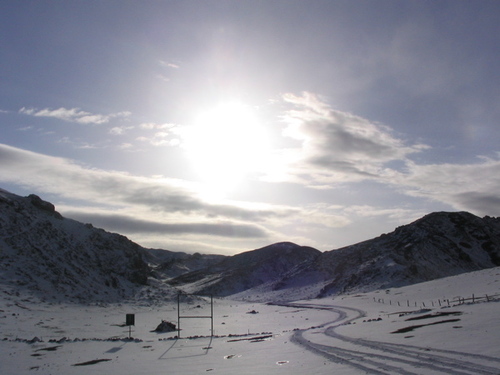
We left early on a sunny Sunday morning, and before long we were well into winter.
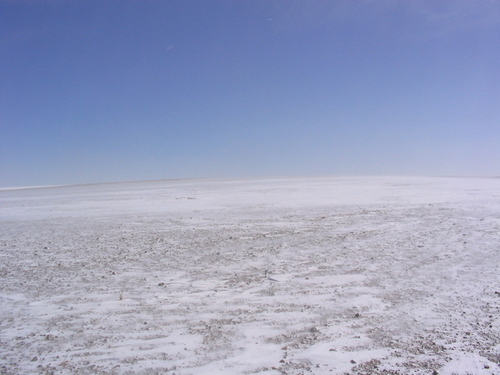
Most roads in Mongolia are not roads like Westerners think of them. They are suggestions – dirt tracks – that you can take or not take, depending on the mud, snow, ditches and so on. The wind and the snow caused the “road” to disappear at times, so that the drivers were constantly making their best guesses about where to go. This led to some inevitable stuck vehicles.
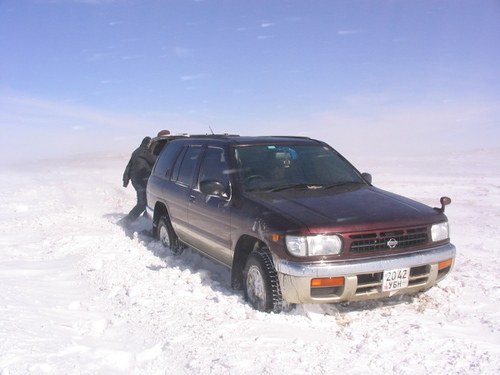
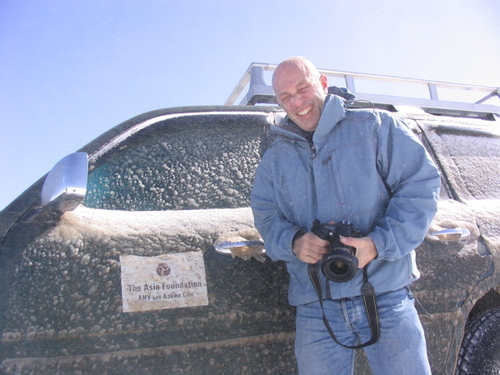
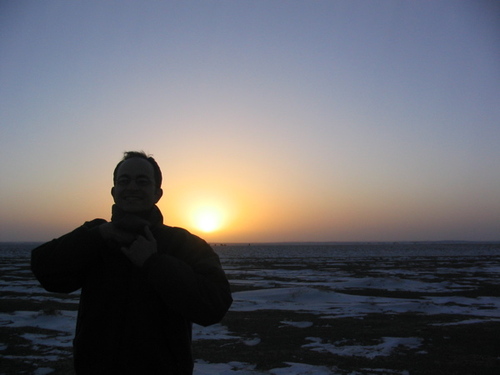
It was not snowing, but the wind was blowing like crazy. Even this cold did not make Bill put on a hat.
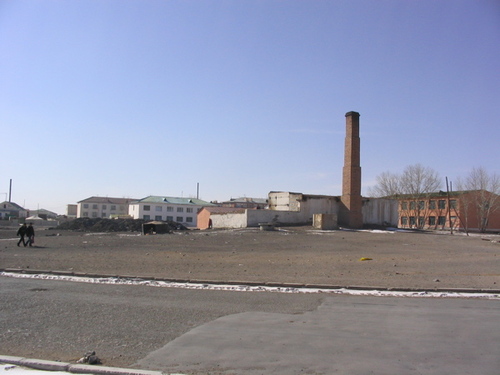
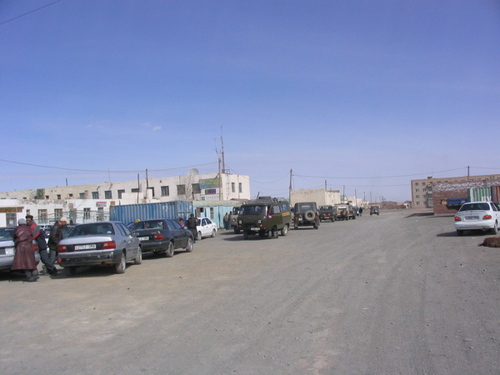
Eventually we left the snow behind, and after about 6 hours we stopped for lunch in Mandalgov, the aimag center of Dundgov, one of four Gobi aimags. As you can see, Mandalgov is a happening town.
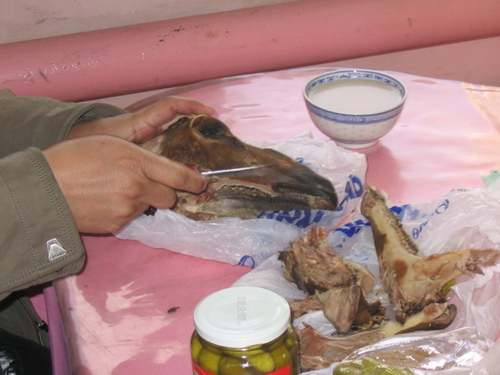
We had brought lunch food, but our bread and cheese was nothing compared to the sheep head that one of the envoironmenalists we were traveling with brought. He is drinking milk tea, which is usually hot water with powdered milk, a little black tea and salt. We have not really developed the taste for it yet.
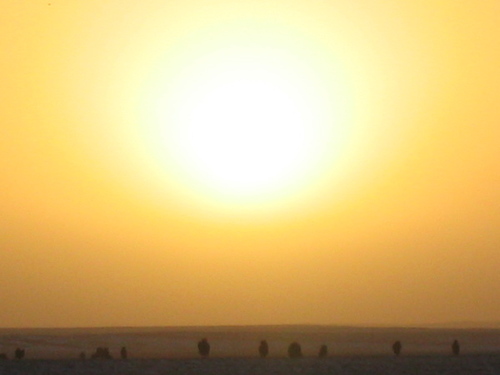
South of Mandalgov we got into camel territory. We spotted one or two at a time, sometimes with babies, until we happened upon a herd at sunset.
We arrived in Dalanzagad around 8, met Naraa from Gobi Wave and Oljo from Ivanhoe Mines, whose apartments we were staying in. We had dinner and Charlie and I went to bed. Our Mongolian companions stayed out until 1 am.
The next day we visited Gobi Wave, and checked out Dalanzagad.
After some meetings and lunch, we headed out of town towards some mountains in the distance.
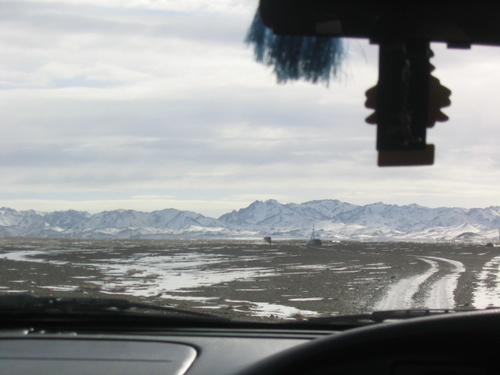
First we visited this “am,” literally mouth in Mongolian.
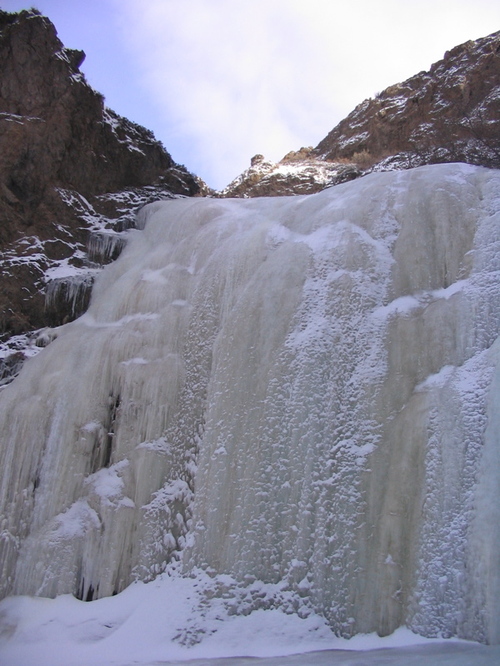
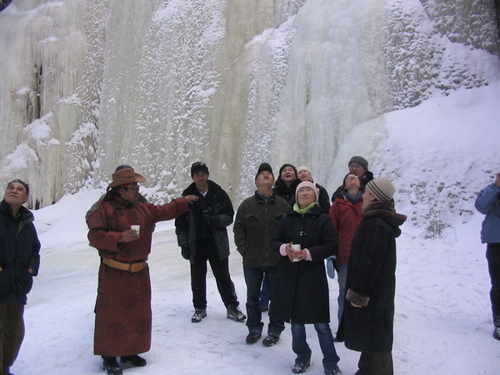
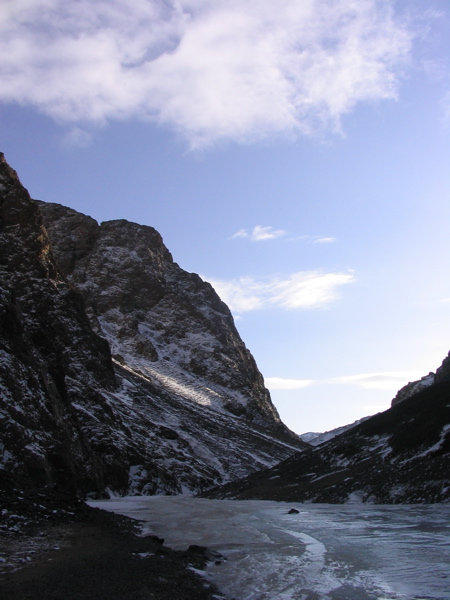
We were told it was the second most famous am in the Gobi, a waterfall that stays frozen year-round, although not always as frozen as this. We had a toast, saw some eagles and moved on.
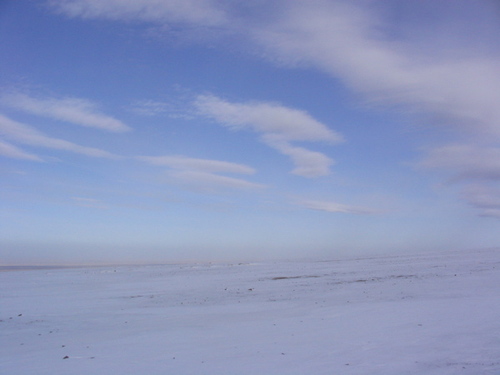
We drove through the Gurvan Saikhan National Park…
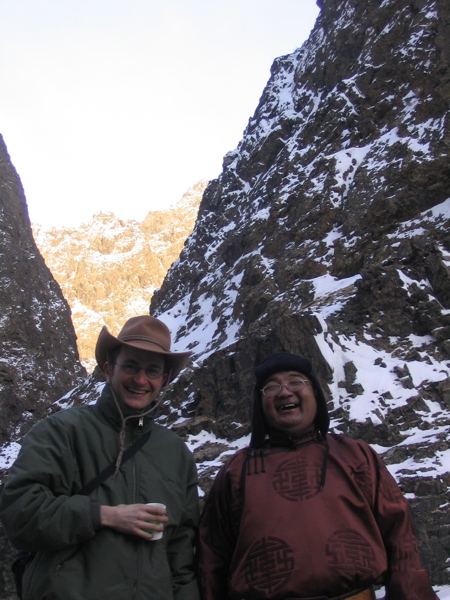
…to another am, this time the most famous one. It was a frozen river. We drove as far as we could, down the actual river at one point, and then stopped near a giant ovoo for more visiting, toasting and drinking. Charlie and Dian traded hats. Bill wandered down the river and did not find the end. We all jumped and rubbed our hands to stay warm. In the valley, out of the sun, it was very very cold.
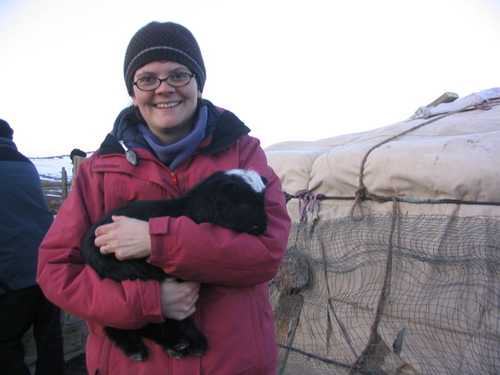
Then it was dinnertime. Back in the cars, we headed off through the countryside until we found a ger. This family had many sheep and goats and their babies. We even got to see a baby sheep get born, and another sheep doing its best to nurse from the new mother.
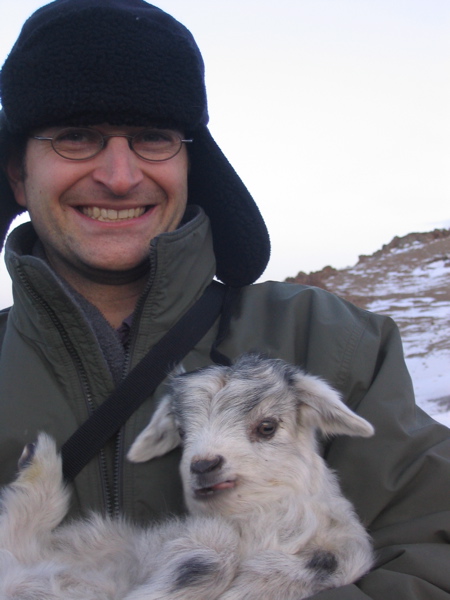
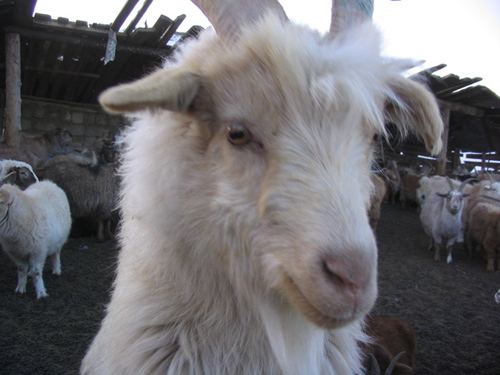
After the goat entertainment, we went into the ger for a real Mongolian barbeque, or horhug. Traditionally this is done in an animal skin, but this family used a big pot. You fill it with water and get it hot, add meat, carrots, potatoes and onions and then red hot stones.
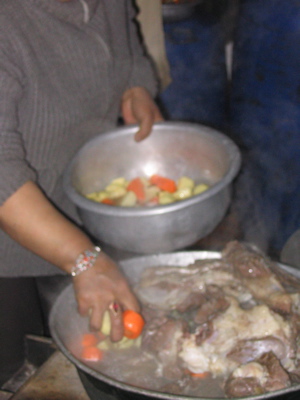
You put the top on and seal it with damp cloths. It cooks for about 10 or 15 minutes. Then the stones are passed around and people warm their hands (and get some sort of mutton fat skin treatment.)
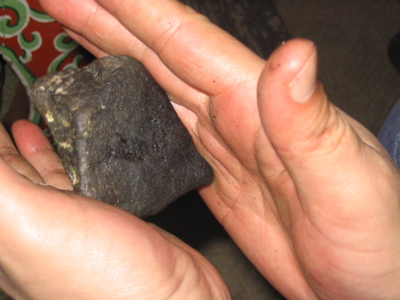
Then the bones, meat and vegetables are passed around and everyone eats their fill. Charlie and I did pretty well, eating enough to fit in, but not too much. The next day one of the Mongolians with us got sick, though, because the meal was so hot and we left too quickly to the cold outdoors…or at least this was her theory. That night we got to bed around 11 and the Mongolians stayed out until 3.
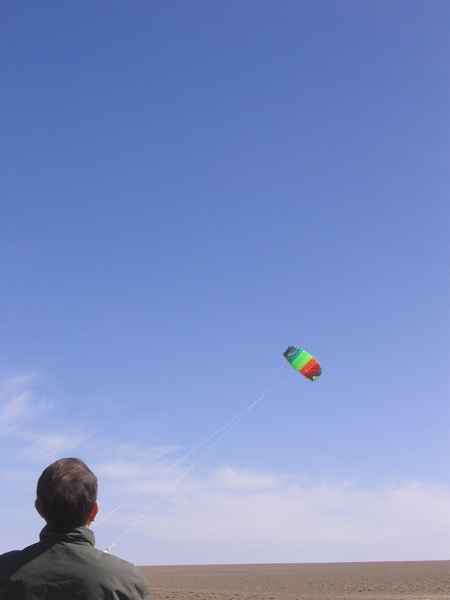
The next day we headed in the other direction for a community meeting and mine visit. On the way we stopped to pee, smoke and fly the kite.
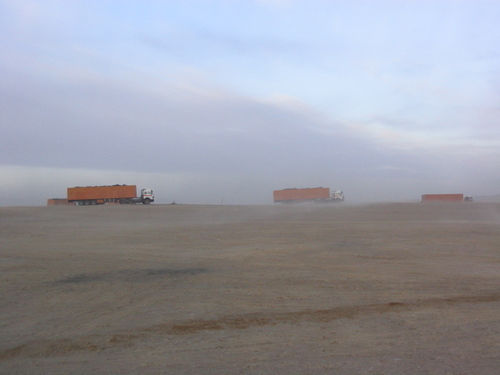
The mine was incredible. The day was windy and overcast, so these trucks carrying coal really seemed to be driving out of Mordor.
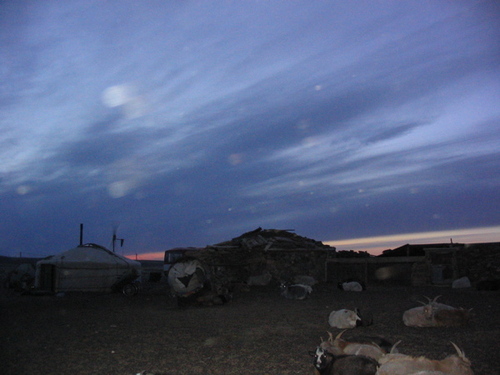
On the way home, we stopped at a ger with many camels tied up for the night.
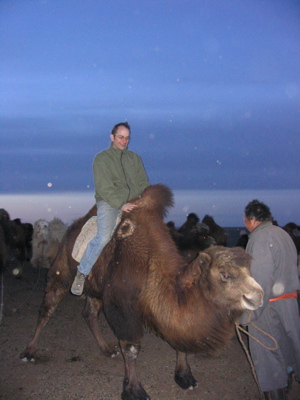
Charlie, Bill and I got to sit on a one while it stood up and then sat back down. The hind legs go up first, so you tip very far forwards.
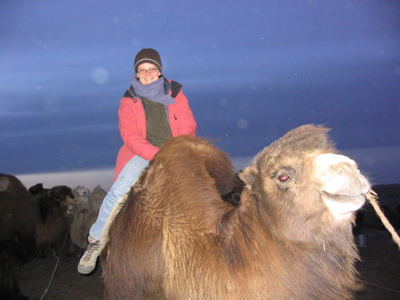
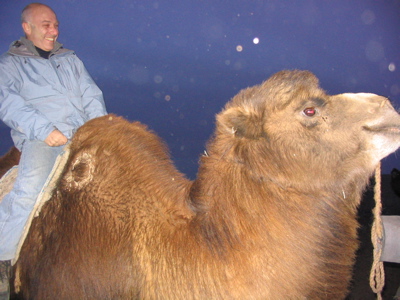
Bill and Charlie went to look at some other camels, much to the distress of the Mongolians. When they got into a staring contest with an ornery one, the Mongolians urgently told them to move. Later it was explained that that camel was “in the middle of the breeding process.”
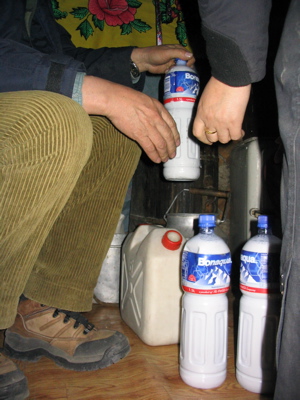
This family had camel airag, or fermented milk. We tried some, which was not as bad as I had expected. Camel milk is much loved, and the Mongolians gathered all the vessels they could find so everyone could take some home.
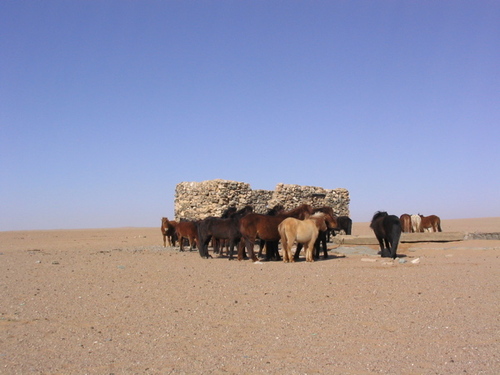
The drive home the next day was long and uneventful. We saw some horses gathered at an old building for wind protection and two old stone markers.
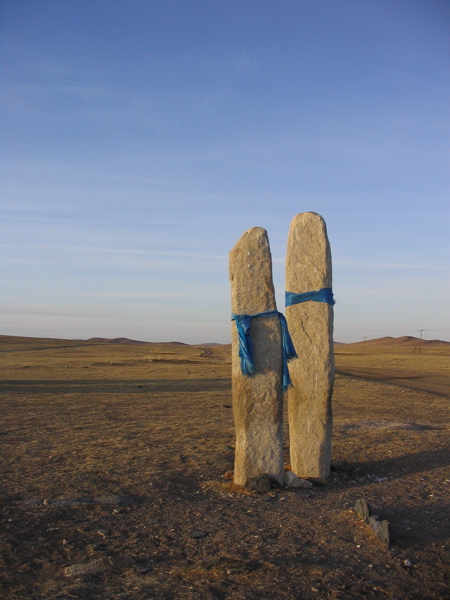
The trip home took about 13 hours and got us back in time to take a shower, wash some clothes and fly to China to begin our Southeast Asia trip.
 Reality Report